Business
Opposition kicks as FIRS defends French tax MoU, rejects claims of threat to Nigeria’s sovereignty
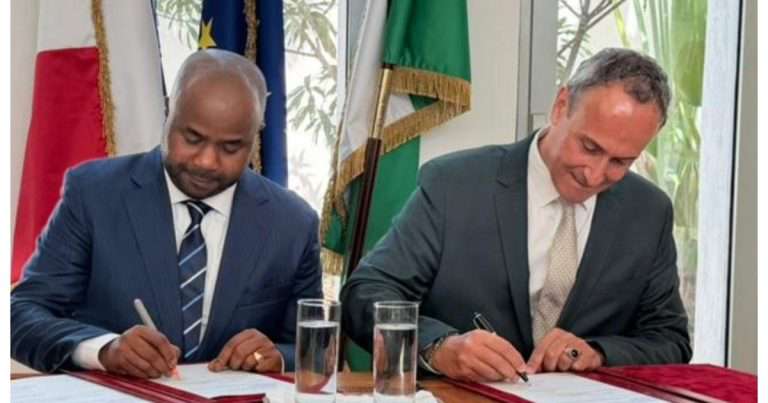
The Federal Inland Revenue Service (FIRS) has dismissed fears that its recent Memorandum of Understanding (MoU) with France’s tax authority, Direction Générale des Finances Publiques (DGFiP), could compromise Nigeria’s data security or sovereignty, insisting the agreement is strictly advisory and limited to technical assistance and capacity building.
In a statement issued on Sunday, FIRS clarified that the MoU does not grant France access to Nigerian taxpayers’ data, digital infrastructure, or operational systems. The agency said the partnership is a standard international framework aimed at strengthening institutional capacity and adopting global best practices.
The clarification follows criticism from the African Democratic Congress (ADC), former Vice President Atiku Abubakar, and the Northern Elders Forum, all of whom questioned the secrecy surrounding the deal and its potential implications for Nigeria’s economic sovereignty.
ADC, through National Publicity Secretary Mallam Bolaji Abdullahi, said the agreement raises serious questions about transparency and the protection of strategic economic information. The party demanded full disclosure of the MoU or its immediate termination.
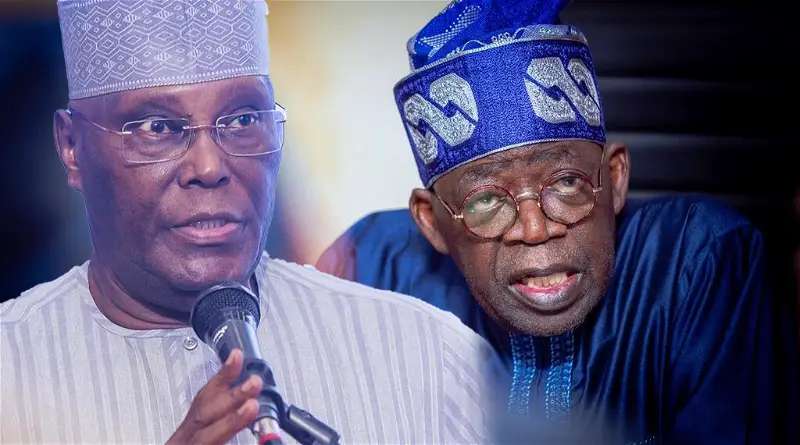
Atiku Abubakar similarly warned that granting a foreign power access to Nigeria’s financial operations could undermine national sovereignty, describing the MoU as a potential strategy to reduce Nigeria’s economic independence.
Responding to the allegations, FIRS stressed that all Nigerian laws on data protection, cybersecurity, and national sovereignty remain fully enforceable. The agency emphasised that the MoU focuses on knowledge sharing, institutional strengthening, workforce development, policy guidance, and best-practice adoption—without displacing Nigerian technology providers. FIRS highlighted collaborations with local firms such as NIBSS, Interswitch, PayStack, and Flutterwave as part of its commitment to domestic capacity building.
The service further noted that the DGFiP is one of the world’s most advanced tax authorities, with over a century of experience in digital transformation, public finance, and governance, and that the MoU allows Nigeria to benefit from this expertise while remaining fully in control.
Despite FIRS’ assurances, ADC reiterated its call for an independent review of the agreement, citing concerns that it could expose strategic national data to foreign influence. The party also questioned the benefits accruing to France and criticised the Federal Government for failing to engage the National Assembly or the public in the process.
ADC warned that without full transparency and scrutiny, the MoU risks compromising Nigeria’s national security and should be terminated if these concerns are not addressed.