Politics
Obi cites moral burden in ex-NMDPRA boss’s alleged $5m school fees, urges accountability
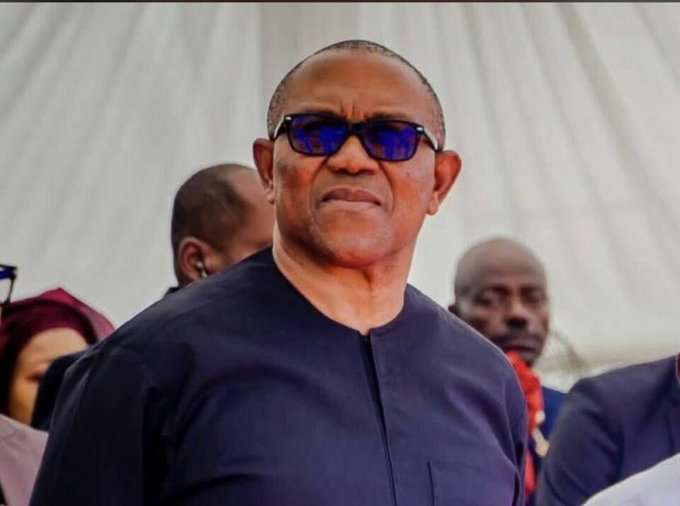
Former Labour Party presidential candidate, Peter Obi, has described the controversy surrounding the former Chief Executive Officer of the Nigerian Midstream and Downstream Petroleum Regulatory Authority (NMDPRA), Farouk Ahmed, as a stark reminder of the moral obligations attached to public office.
The debate erupted after the President of the Dangote Group, Aliko Dangote, alleged that Ahmed spent about $5 million on the secondary school education of his four children in Switzerland. Dangote, who made the claim at a press briefing in Lagos, called for a thorough investigation, questioning how such expenditure aligned with the income of a public office holder.
The allegations sparked widespread public debate and eventually led to Ahmed’s resignation from the NMDPRA amid sustained scrutiny.
Reacting to the development in a statement posted on his verified X handle on Monday, Obi said the issue went beyond personal choices and touched directly on public trust.
“At current exchange rates, $5 million is approximately ₦7.5 billion,” Obi said, noting that Nigeria currently has more than 18 million out-of-school children, the highest figure globally.
While stressing that investment in education is commendable, Obi argued that the scale of the alleged spending raises troubling ethical questions when linked to public service.
“Education is one of the greatest gifts a parent can give a child. The concern here is the scale, the context and the moral consequence of such spending when it is associated with a public official in a country battling extreme inequality,” he said.
The former Anambra State governor outlined how ₦7.5 billion could transform Nigeria’s education sector if invested locally, estimating that the amount could fund dozens of school blocks, educate thousands of children annually and create significant employment opportunities for teachers.
He further argued that Nigeria’s wealth is concentrated among a very small segment of the population, many of whom have access to vast resources through public office.
According to Obi, if just a fraction of such wealth were channelled into education nationwide, Nigeria could establish a self-sustaining education system capable of lifting millions of children out of educational deprivation each year.
“This would not be a one-off intervention, but a durable, self-financing education ecosystem that could drastically reduce the out-of-school children crisis while strengthening communities and institutions,” he said.
Obi said the Farouk Ahmed episode should provoke broader national reflection, warning that the implications go beyond the individual involved.
“The Farouk controversy is not simply about one man. It reflects the choices we make as a society and whether privilege will continue to exist alongside widespread neglect,” he said.
Quoting philosopher Plato, Obi cautioned that neglecting education ultimately undermines every aspect of national life, insisting that Nigeria must place moral responsibility at the centre of governance.