Politics
Nigeria slips in global corruption ranking, joins list of 38 most corrupt countries despite Tinubu’s anti-corruption claims
Nigeria has been ranked 142nd out of 182 countries in the 2025 Corruption Perceptions Index (CPI) released on Tuesday by Transparency International, scoring 26 out of 100.
The latest ranking represents a drop of two places from the country’s 140th position in 2024, although its score remained unchanged at 26.

With this placement, Nigeria is listed among the 38 lowest-performing countries globally on the index, sharing the 142nd position with Cameroon, Guinea, Kyrgyzstan, Guatemala and Papua New Guinea.
In Africa, Seychelles emerged as the best-performing country with a score of 68, followed by Cabo Verde (62), Botswana (58) and Rwanda (58). Other African countries ranked ahead of Nigeria include Mauritius, Namibia, Senegal, Ghana, South Africa, Tanzania, Morocco, Tunisia, Kenya and Egypt.
At the bottom of the global ranking were Sudan (14), Eritrea (13), Somalia (9) and South Sudan (9).
Globally, Denmark topped the index with 89 points, followed by Finland (88), Singapore (84), New Zealand (81), Norway (81), Sweden (80), Switzerland (80), Luxembourg (78), the Netherlands (78), while Germany and Iceland (77) completed the top ten.
Transparency International noted that corruption remains a significant challenge in Sub-Saharan Africa, which recorded an average score of 32 out of 100, making it the lowest-performing region in the world.
According to the organisation, only four of the 49 countries in the region scored above 50, while 10 countries have significantly worsened since 2012 and only seven have shown improvement, indicating that existing anti-corruption measures have yielded limited results.
“Corruption remains a serious problem in Sub-Saharan Africa. With an average score of 32 out of 100 and only four out of the 49 countries scoring above 50, the region is the lowest-performing on the global index of 182 countries.
“Ten of the 49 countries in the region have significantly worsened since 2012, and only seven have improved in the same period, highlighting that current anti-corruption efforts are not yielding expected results.
“Corruption in the management of public funds reflects a lack of political integrity among leaders, hinders people’s ability to access key services, and affects everyday life, impacting the most vulnerable the hardest.
“To improve people’s lives, governments in the region should prioritise meaningful action to combat corruption and strengthen democracy,” the report stated.
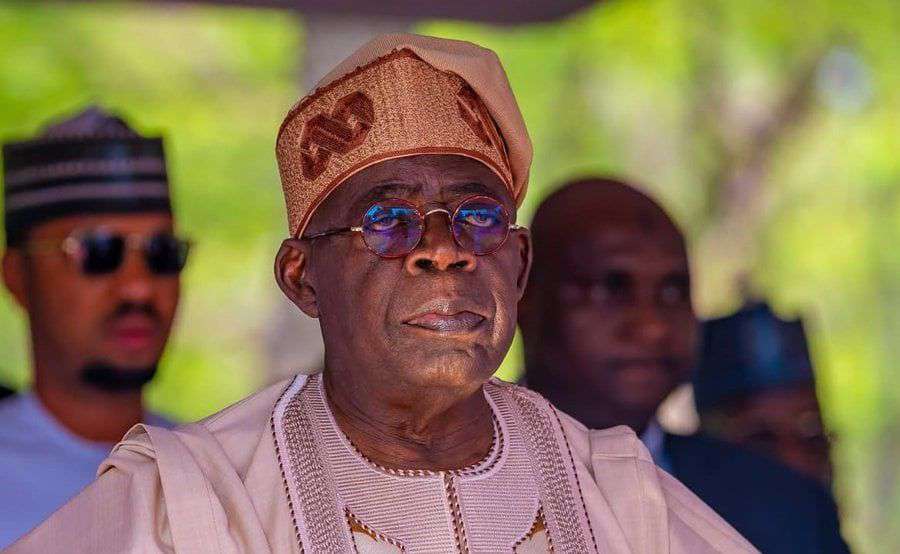
On August 26, 2025, during a visit to Brazil, President Bola Tinubu said his administration had significantly reduced corruption in Nigeria, attributing the progress to ongoing economic reforms.