Business
FG rejects KPMG’s ‘errors’ claims on new tax laws, says reforms reflect deliberate policy choices

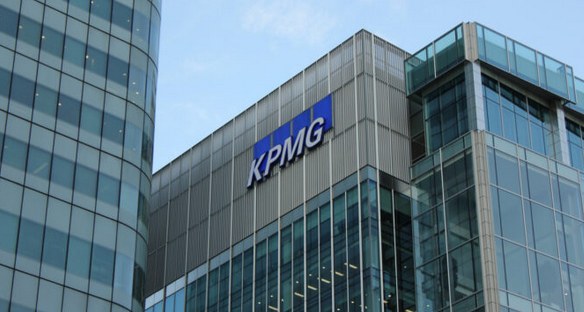
The Federal Government has dismissed claims by KPMG that Nigeria’s newly enacted tax laws are riddled with errors and gaps, insisting that most of the concerns raised by the global professional services firm stem from a misunderstanding of the policy intent and deliberate reform choices.
In a comprehensive response issued by the Presidential Fiscal Policy and Tax Reforms Committee and shared on Saturday by presidential spokesman Bayo Onanuga, the government said KPMG’s analysis largely framed policy disagreements and professional preferences as legislative flaws.
While acknowledging that a few observations by KPMG, particularly those relating to implementation risks and clerical or cross-referencing issues, were valid, the committee said the bulk of the report mischaracterised the objectives and structure of the reforms.
“The majority of the publication reflected a misunderstanding of the policy intent, a mischaracterisation of deliberate policy choices and, in several instances, the repetition of opinions as facts,” the committee said.
It added that several issues described by KPMG as “errors” or “gaps” were either incorrect conclusions by the firm, matters taken out of context, or areas where KPMG preferred alternative outcomes to those consciously adopted by the government.
Defence of key reforms
Responding to fears that new provisions on capital gains could destabilise the stock market, the government said the claims were unfounded, noting that the tax on share gains is progressive, ranging from zero to a maximum of 30 per cent, which will fall to 25 per cent.
It added that about 99 per cent of investors qualify for unconditional exemption, while others are exempt subject to reinvestment, stressing that the stock market’s record performance undermines the sell-off narrative.
On the commencement date of the new laws, the committee rejected KPMG’s call for alignment strictly with accounting periods, saying such an approach ignored complex transition issues involving multiple tax bases, audit timelines, deductions and credits.
The government also defended provisions taxing indirect transfers of shares, describing them as consistent with global best practices and OECD anti–base erosion standards aimed at closing long-standing loopholes exploited by multinational companies.
Similarly, it dismissed concerns about VAT on insurance premiums, stating that insurance is not a taxable supply under Nigerian law and that calls for a specific exemption were therefore unnecessary.
‘Misreadings’ of the law
The committee rejected KPMG’s argument that the inclusion of “community” in the definition of a ‘person’ without explicit mention in the charging section created ambiguity, explaining that statutory definitions apply across the law unless otherwise stated.
It also justified the composition of the Joint Revenue Board, saying its revenue-focused membership was intentional and consistent with its advisory mandate.
On dividend taxation, the government said KPMG conflated foreign-controlled companies with foreign operations of Nigerian companies, stressing that dividends from foreign companies cannot be franked since no Nigerian withholding tax applies.
The committee further disagreed with KPMG’s call for automatic tax registration exemptions for non-resident companies subject to final withholding tax, noting that filing obligations serve broader compliance and monitoring purposes.
Proposals rejected
The government said several of KPMG’s recommendations would undermine core reform goals, including a proposal to exempt foreign insurance companies from tax on Nigerian-sourced premiums, which it said would disadvantage local insurers.
It also defended the decision to disallow tax deductions for foreign exchange purchased at parallel market rates, describing it as a deliberate fiscal policy to support monetary policy, discourage round-tripping and stabilise the naira.
On VAT-linked deductibility, the committee said denying deductions where VAT has not been charged was an anti-avoidance measure aimed at promoting fairness and voluntary compliance.
Addressing personal income tax, it rejected claims that the new top marginal rate of 25 per cent was excessive, noting that effective rates could be lower and remained competitive when compared with peer economies such as Ghana, Kenya, South Africa, the UK and the US.
Claims of factual errors
The committee accused KPMG of factual inaccuracies, particularly regarding the Police Trust Fund, noting that the law establishing it expired in June 2025, making calls for its repeal unnecessary.
It also said concerns about verifying the tax status of small companies were not new and predated the current reforms, having been introduced under the Finance Act 2021.
KPMG’s position
In its January 9 report, KPMG had warned that the New Tax Act and the Nigeria Tax Administration Act contained “errors, inconsistencies, gaps, omissions and lacunae” that required urgent review.
The firm raised concerns over the definition of taxable persons, treatment of foreign dividends, non-resident tax registration, withholding tax on foreign insurance premiums, foreign exchange deductions, VAT-linked deductibility, capital loss treatment and personal income tax reliefs.
KPMG argued that addressing the issues was necessary to ensure clarity, compliance and sustainable economic growth.
The Federal Government, however, maintained that the reforms followed extensive consultations and public hearings, and said any clerical inconsistencies would be addressed through administrative guidance and regulations.
The committee urged stakeholders to shift from “static critique” to constructive engagement to ensure the successful implementation of the new tax laws.