Politics
Six contenders for UN top job face live debate ahead of secretary-general selection
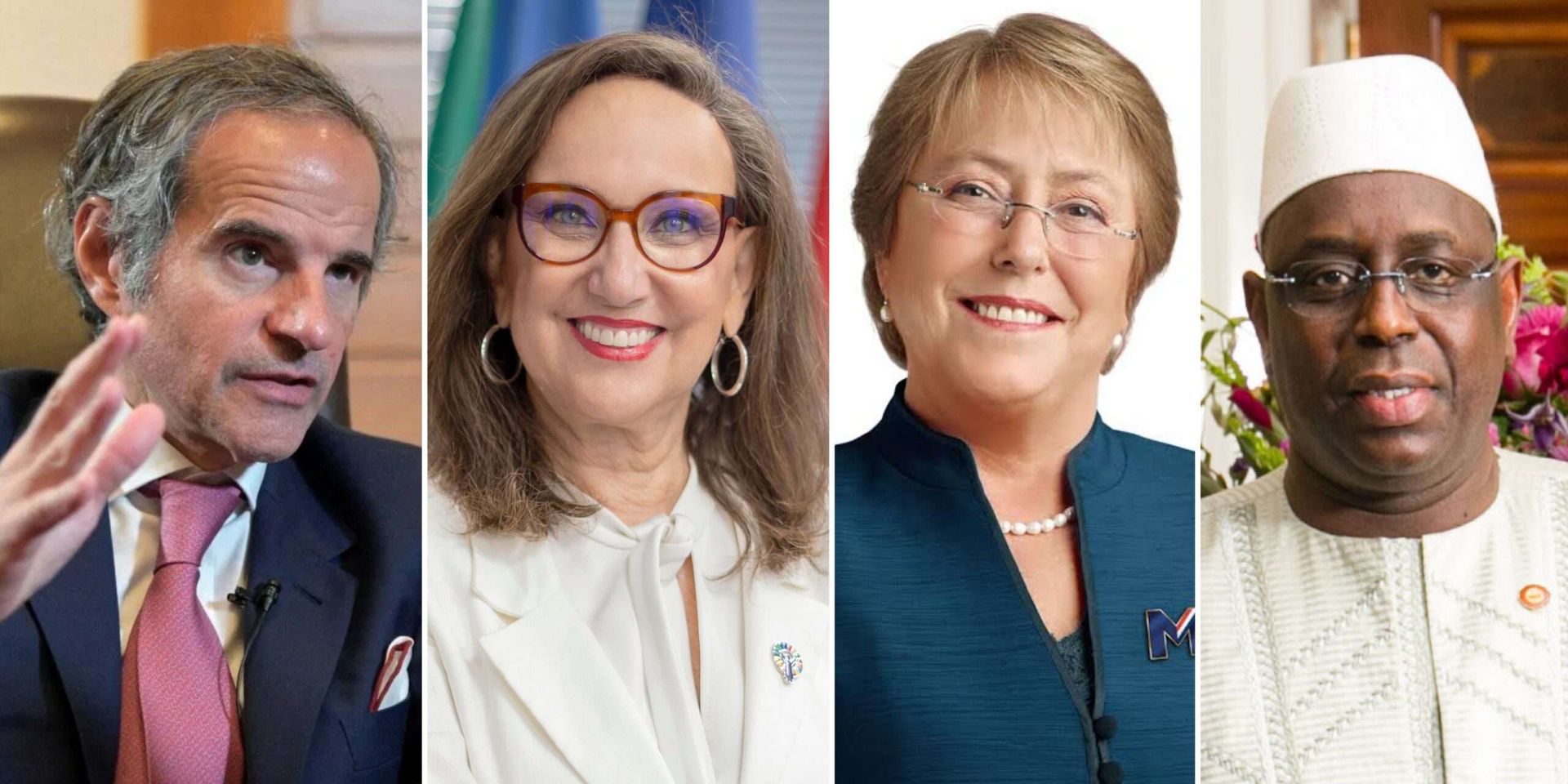
Six candidates seeking to become the next Secretary-General of the United Nations are set to participate in a televised debate on Thursday, offering member states and the global public a final opportunity to assess their leadership visions before the formal selection process begins.
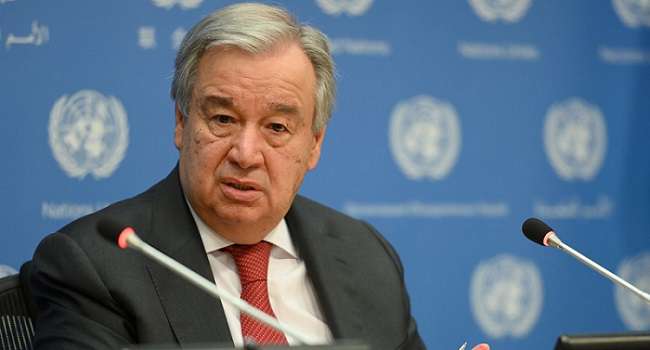
The 90-minute debate, scheduled to take place in the UN General Assembly Hall in New York, comes a week before the Security Council starts voting to identify a successor to Secretary-General António Guterres, whose second term expires at the end of the year.

The event will feature former Chilean President Michelle Bachelet, former Ecuadorian Foreign Minister María Fernanda Espinosa, International Atomic Energy Agency (IAEA) Director General Rafael Grossi of Argentina, Costa Rica’s Rebeca Grynspan, Guyana’s Carolyn Rodrigues-Birkett and former Senegalese President Macky Sall.
The debate will include questions from diplomats, UN staff members and representatives of civil society, and will be broadcast live.
President of the UN General Assembly, Annalena Baerbock, described the event as an important opportunity for candidates to present their priorities and vision for leading the world body at a time of mounting global challenges.
She said the next Secretary-General must not only strengthen the organisation’s administrative capacity but also demonstrate the leadership needed to uphold the principles of the UN Charter, including peace and security, human rights and sustainable development.
The selection process comes as the United Nations grapples with financial pressures and growing questions about its effectiveness.
The administration of US President Donald Trump has criticised the organisation for what it describes as excessive spending, an expanding mandate and limited results, calling for greater focus on the UN’s core responsibility of maintaining international peace and security.
However, many other member states insist that the organisation must continue to give equal attention to its broader mandates, including the promotion of human rights and global development.
Political analysts say the contest has so far lacked the intensity that characterised the 2016 race, which eventually produced Guterres as Secretary-General.
According to Richard Gowan of the International Crisis Group, the candidates have adopted a cautious approach, mindful of the influence wielded by the five permanent members of the Security Council, each of which has the power to veto a nominee.
Before Thursday’s debate, all six candidates had already participated in extensive question-and-answer sessions with representatives of the UN’s 193 member states, outlining their plans for institutional reforms, improved efficiency and a more active role for the organisation in conflict prevention and peacebuilding.
The next stage of the selection process begins on July 30, when the 15-member UN Security Council is expected to conduct its first confidential “straw poll” to gauge support for the candidates.
Additional rounds of informal voting will continue until one candidate secures at least nine votes without attracting a veto from any of the five permanent members—China, France, Russia, the United Kingdom and the United States.
The successful candidate will then be recommended to the General Assembly for formal approval and is expected to assume office on January 1, 2027.
Although Argentina’s Rafael Grossi is widely regarded as one of the leading contenders, diplomats say the race remains open, with Rebeca Grynspan and Carolyn Rodrigues-Birkett also attracting significant backing.
Observers note that other names continue to circulate in diplomatic circles, including FIFA President Gianni Infantino, who has been linked in media reports to the position.
There have also been renewed calls for the United Nations to appoint its first female Secretary-General, while many member states argue that, in keeping with the principle of regional rotation, it is Latin America’s turn to produce the organisation’s next leader.


![UN secretary general, António Guterres arrives Borno State [PHOTOS]](https://hallmarknews.com/wp-content/uploads/2022/05/FR2DgWRXEAMkoHB.jpeg)