Politics
From Airwaves to Aspirations: How Oriyomi Hamzat’s Digital Influence Is Fueling a Governorship Bid
In an era where digital influence increasingly shapes real-world outcomes, Nigeria’s media landscape offers compelling evidence of this transformation. Social media platforms—once dismissed as mere entertainment hubs—now drive tangible actions, from consumer behaviour to political mobilisation.
This reality was vividly illustrated on January 17, 2026, when popular broadcaster Oriyomi Hamzat declared his intention to contest the 2027 Oyo State governorship election on the platform of the Accord Party.
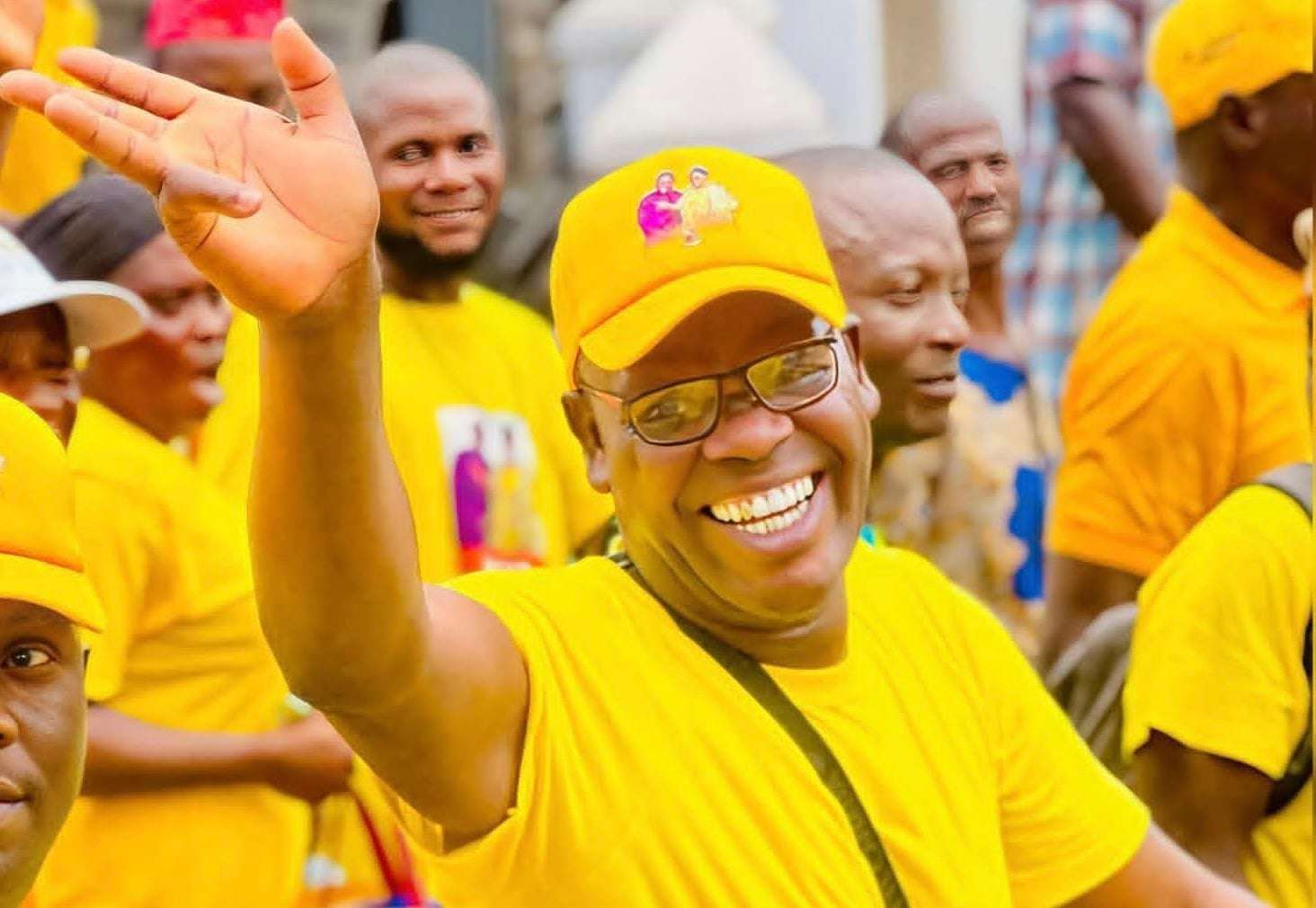
The declaration, held at the Obafemi Awolowo Stadium in Ibadan, drew an estimated crowd of 8,000 supporters, converting online fandom into a formidable physical presence. The spectacle underscored how digital popularity, when strategically harnessed, can translate into grassroots political momentum.
Born on March 5, 1980, in Ibadan, Oriyomi Abdulrahman Hamzat hails from a family deeply rooted in the city’s cultural and journalistic traditions. Raised in Akinyele Local Government Area, he was shaped by the influence of his father, Alhaji Hamzat, whose emphasis on resilience and community service left a lasting imprint. These formative experiences nurtured Hamzat’s early interest in media and public engagement.
With over two decades in broadcasting, Hamzat’s career spans stints at the Nigerian Television Authority and other media organisations before he founded Agidigbo 88.7 FM, where he currently serves as chairman. Beyond broadcasting, he has established himself as a vocal human rights advocate, championing justice and civil liberties. His controversial arrest and imprisonment in 2023,widely described by supporters as wrongful, further solidified his public image as a defiant voice against perceived oppression.
Hamzat’s rise to prominence is closely tied to his mastery of Yoruba-language broadcasting. Through programmes such as Kokoro Alate, he blended social commentary, humour, and advocacy into an accessible format that resonated deeply with listeners. His use of catchy phrases, relatable storytelling, and street-level analysis fostered a strong emotional connection with audiences.
Crucially, this appeal did not remain confined to radio. Clips from his shows went viral across Instagram, X (formerly Twitter), and other platforms, where they were repurposed into memes, skits, and commentary videos. This digital afterlife expanded his reach beyond traditional radio audiences, turning him into a cross-generational media figure and reinforcing his relevance among younger Nigerians.
That online-to-offline conversion was on full display during his January 17 declaration. Supporters filled the stadium, chanting slogans such as “Gbenu si mic, Oyo n pe o”,a nod to his broadcasting roots. Endorsements from Accord Party chapters in neighbouring states further highlighted the organisational potential behind his candidacy. While critics often caution that media fame rarely translates into electoral success, Hamzat’s mobilisation challenges that assumption.
Globally, there are precedents for such transitions. Former US President Ronald Reagan moved from acting to politics, while Ukraine’s Volodymyr Zelenskyy rose from comedy to the presidency during a national crisis. In Nigeria, actor Desmond Elliot has served in the Lagos State House of Assembly since 2015, and musician Bankole Wellington (Banky W) has built a credible political profile through repeated legislative bids. Actress Funke Akindele’s 2023 run for Lagos deputy governor, though unsuccessful, further demonstrated the growing intersection of entertainment, media influence, and politics.
What distinguishes Hamzat’s ambition is his strong resonance with millennials and Gen Z—demographics that dominate Nigeria’s social media space. His ability to merge entertainment with activism gives him an advantage over traditional politicians who often struggle to engage younger voters. In a state long dominated by the PDP and APC, this demographic appeal could disrupt established political patterns, especially amid widespread economic dissatisfaction.
Yet, the true test of Hamzat’s political viability lies ahead. Navigating party structures, building durable alliances, and converting enthusiasm into sustained voter turnout will determine whether his influence extends beyond spectacle. As Nigeria’s media and political spheres continue to converge, Oriyomi Hamzat’s journey offers a compelling case study of how digital platforms can reshape political trajectories—and possibly, governance itself.