Business
WSJ: Dangote refinery gains from Middle East tensions as demand for products surges
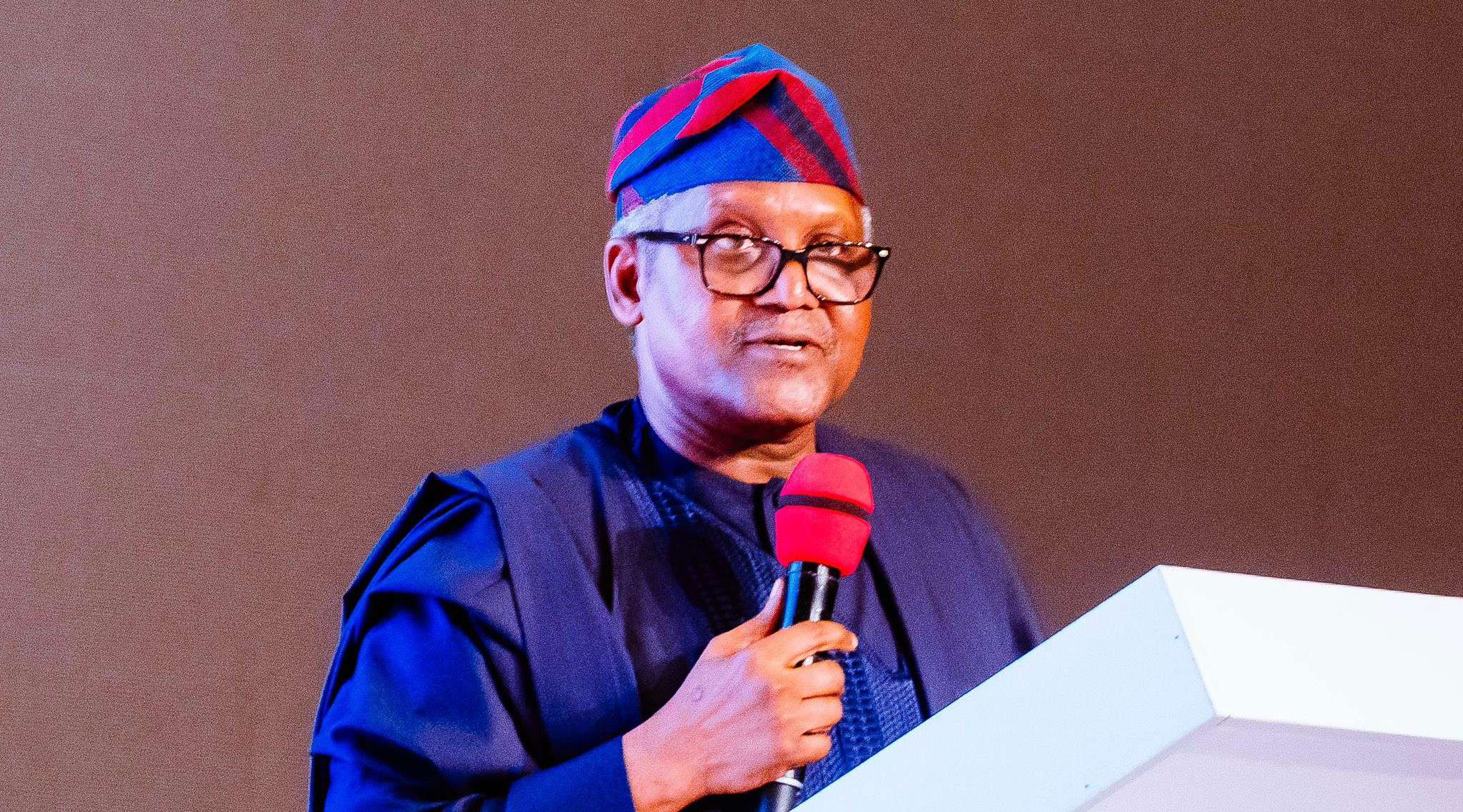
Africa’s richest man, Aliko Dangote, is emerging as one of the major beneficiaries of recent geopolitical tensions in the Middle East, with growing demand for refined petroleum products boosting the fortunes of his $20 billion refinery, according to a report by The Wall Street Journal (WSJ).
The newspaper reported on Friday that the Dangote Petroleum Refinery has been reaping the rewards of years of heavy investment and persistence after overcoming prolonged delays and rising construction costs that reportedly doubled the project’s original budget.

According to the report, the refinery reached full operating capacity in February 2026, positioning it to take advantage of disruptions in global energy markets triggered by tensions between the United States and Iran.
“The huge refinery reached full capacity in February—just in time to supply the world with diesel, jet fuel and gasoline that doesn’t need to pass through the Strait of Hormuz,” the WSJ reported.
The publication noted that increased demand for refined petroleum products has significantly boosted Dangote’s wealth this year.
Citing data from the Bloomberg Billionaires Index, the report said Dangote’s net worth has risen by about $4.86 billion since the beginning of the year, bringing his estimated fortune to approximately $34.8 billion and strengthening his position among the world’s wealthiest individuals.
The newspaper observed that Dangote’s long-standing investments in sectors such as cement, sugar and salt had already made him one of Africa’s most successful entrepreneurs, while the refinery is now becoming a major driver of his growing wealth.
According to the report, output of petrol, diesel and aviation fuel from the refinery has increased by more than 70 per cent this year.
The Group Vice-President of Dangote Industries Limited, Devakumar Edwin, told the WSJ that plans are underway to list the refinery on the Nigerian Exchange later this year at a valuation of at least $50 billion.
He also disclosed that the company is considering a secondary listing on an international stock exchange, with New York identified as the most likely destination.
The publication said the refinery’s performance illustrates how energy suppliers located outside conflict zones have benefited from supply concerns arising from the Middle East crisis.
It noted that growing exports of Nigerian crude and refined products have provided broader economic benefits, including support for the naira and moderation in domestic fuel price pressures.
“The conflict has been a particular boon for Dangote, whose refinery is by far the largest in Africa,” the report stated.
Edwin told the newspaper that demand for products from the refinery has risen sharply across sub-Saharan Africa, while exports of jet fuel to Europe have also expanded.
He added that the company plans to increase refining capacity to 1.4 million barrels per day by 2028 through an expansion project estimated to cost about $13 billion.
Beyond Nigeria, the Dangote Group is also exploring another major refining project in Kenya.
According to Edwin, the company intends to build a refinery and port facility in Lamu, a coastal region in Kenya, at an estimated cost of $15 billion.
He said a site has already been selected for the project and preliminary design work is expected to commence soon, with completion projected within three years.
Despite the refinery’s growing success, the WSJ highlighted challenges facing the business, particularly the need to secure adequate crude oil supplies.
The newspaper reported that the Nigerian National Petroleum Company Limited has struggled to provide the volume of crude required by the refinery, partly because the government remains committed to meeting obligations tied to oil-backed loans and long-term export contracts.
Another key challenge identified in the report is product distribution as production volumes continue to increase.
To address this, Dangote is said to be pursuing plans to acquire a fleet of vessels, establish a regional distribution hub in Namibia and construct a pipeline stretching more than 1,500 miles to serve landlocked African countries such as Zambia, Zimbabwe and Botswana.
According to Edwin, logistics and distribution will become the company’s biggest challenge as refining output continues to grow.
The report underscores the increasingly important role the Dangote refinery is playing in Africa’s energy landscape, while highlighting how shifting global market dynamics are creating new opportunities for large-scale refining operations outside traditional oil-exporting regions.