
Business
Nigeria’s non-oil exports rise to $6.1bn in 2025 – NEPC
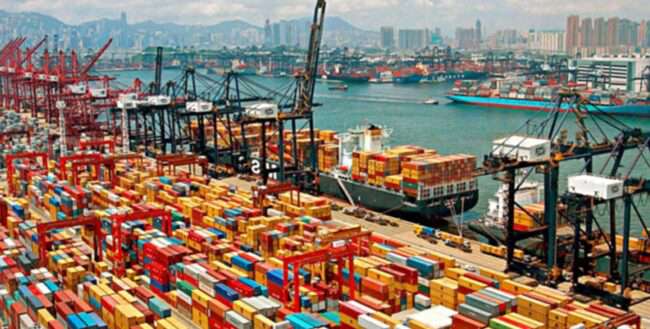
Nigeria’s non-oil exports increased to $6.1bn in 2025, the highest level recorded since the establishment of the Nigerian Export Promotion Council (NEPC), according to data released by the council.
The figure represents an 11.5 per cent increase from the $5.4bn recorded in 2024, reflecting continued growth in the non-oil segment of the economy.
The Executive Director and Chief Executive Officer of the NEPC, Nonye Ayeni, disclosed the figures on Monday in Abuja during the presentation of the council’s annual performance report and its non-oil export outlook for 2026.
Ayeni said the data, obtained from pre-shipment inspection agencies, showed that the 2025 performance surpassed previous records and marked a notable milestone for formal, documented trade in the country.
“Based on records obtained from pre-shipment inspection agencies, Nigeria’s non-oil export performance in 2025 reached approximately 6.1 billion U.S. dollars, representing a year-on-year growth of about 11.5 per cent over the 5.4 billion U.S. dollars recorded in 2024,” she said.
She added that the result represents the highest non-oil export value recorded since the council was established nearly five decades ago.
In terms of volume, Ayeni said total non-oil exports rose to 8.02 million metric tonnes in 2025, compared with 7.29 million metric tonnes in 2024, an increase of about 10 per cent.
According to her, the growth cut across several categories, including agricultural commodities, processed and semi-processed goods, industrial inputs and solid minerals, suggesting gradual expansion in product range and value addition.
She also noted that Nigeria exported a total of 281 non-oil products in 2025, indicating broader participation across different export value chains.
However, Ayeni cautioned that the official figures may not fully capture the scale of Nigeria’s non-oil trade, as a significant volume of exports still occurs informally across land borders.
She said the NEPC is working with the National Bureau of Statistics, the Central Bank of Nigeria and other stakeholders to integrate informal trade into official export records, improve data accuracy and strengthen policy support for exporters.
Ayeni added that existing reforms, export incentives and capacity-building initiatives would continue in 2026, with the aim of sustaining growth in non-oil exports.
The development comes as the Federal Government continues efforts to increase foreign exchange earnings and reduce reliance on crude oil by strengthening non-oil export revenues.