
Citizen Monitors, a technology and election integrity advocacy group, has queried the proposed ₦1.01 trillion budget for Nigeria’s 2027 general elections, describing the figure as excessive, opaque and unjustifiable at a time of deep economic strain.
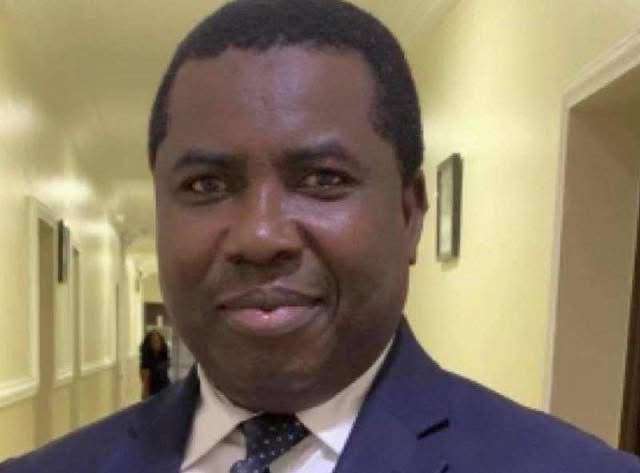
The group raised the concerns in a statement issued on Monday by its spokesperson, Olajumoke Alawode-James, arguing that allocating more than one trillion naira to elections without clear justification undermines public trust and accountability.
According to Citizen Monitors, Nigeria is grappling with worsening insecurity, failing infrastructure and widespread economic hardship, making the scale of the proposed election spending difficult to defend.
“Elections are a public service, not a spectacle,” Alawode-James said.
She warned that the absence of a transparent, itemised framework explaining how the funds would improve electoral outcomes raises serious concerns.
“₦1.01 trillion without a clear, itemised and performance-based framework is not reform—it is institutionalised waste,” she said, recalling the challenges that marred the 2023 general elections.
The organisation noted that more than ₦300 billion was reportedly spent on the 2023 polls, which were plagued by technological failures, logistical breakdowns and credibility disputes. It added that no comprehensive public audit has been released to show how the funds were utilised or what lessons were learned.
“Before Nigerians are asked to fund a ₦1.01 trillion election, they deserve to know what went wrong in 2023, who was responsible, and what will be done differently in 2027,” the group said.
Citizen Monitors cautioned that simply increasing election spending without fixing systemic weaknesses would not guarantee credible polls, stressing that elections should reflect the will of voters rather than merely legitimise political power.
The group outlined several demands, including a forensic audit of 2023 election spending, a detailed breakdown of the proposed 2027 budget, clear performance indicators tied to funding, independent civil society oversight, and open access to polling unit results and procurement data.
“At a time when Nigerians are struggling to afford food, fuel and school fees, spending ₦1.01 trillion on an election that may still fail is not just irresponsible—it is immoral,” the statement said.
The organisation maintained that credible elections depend on transparency, data and accountability, not spending alone.
“If INEC and the political class want public trust, they must open the books, show the data, and prove that every naira will translate into verifiable, auditable votes,” it added.
The concerns come amid growing public scrutiny of the Federal Government’s 2026 budget proposal, which includes substantial provisions for preparations ahead of the 2027 general elections.
Details of the 2026 Appropriation Bill released by the Budget Office of the Federation show that the Independent National Electoral Commission was allocated ₦1.013 trillion – one of the largest budgetary provisions in the commission’s history – to cover election-related preparations.
President Bola Ahmed Tinubu had earlier presented a ₦58.18 trillion budget to the National Assembly, tagged Budget of Consolidation, Renewed Resilience and Shared Prosperity. The proposal projects total revenue of ₦34.33 trillion against total expenditure of ₦58.18 trillion, including ₦15.52 trillion earmarked for debt servicing.
The scale of the INEC allocation has since drawn widespread attention, as Nigeria continues to battle rising debt obligations, economic pressures and competing demands for limited public resources.