
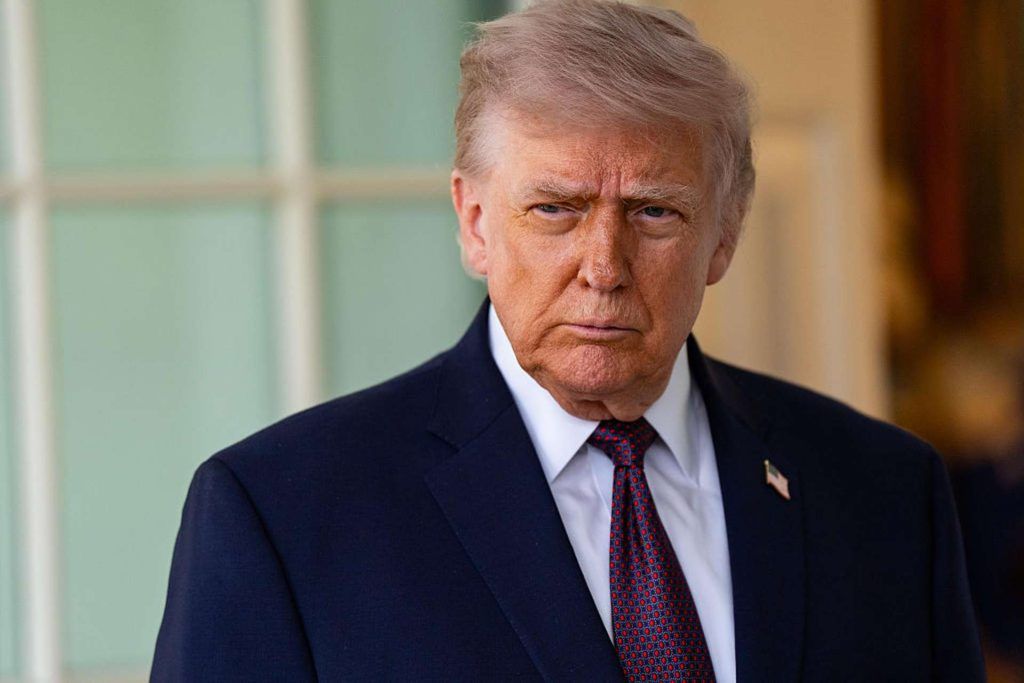
The United States Supreme Court on Tuesday rejected President Donald Trump’s attempt to restrict birthright citizenship, ruling that children born on American soil remain entitled to US citizenship regardless of their parents’ immigration status.
In a 6-3 decision delivered on the final day of the court’s current term, the justices upheld the long-standing interpretation of the 14th Amendment to the US Constitution, dealing a significant legal setback to the Trump administration’s immigration agenda.
The ruling effectively blocks an executive order issued by Trump that sought to deny automatic citizenship to children born in the United States to undocumented immigrants and parents residing in the country on temporary visas.
Writing the majority opinion, Chief Justice John Roberts said the Constitution guarantees citizenship to such children at birth, reaffirming the purpose of the 14th Amendment adopted after the American Civil War.
According to Roberts, the amendment extended the promise of citizenship to “every free-born person in this land,” describing citizenship as “the right to have rights” and to participate fully in American political life.
The decision leaves intact a constitutional principle that has stood for more than 150 years and has long served as the basis for birthright citizenship in the United States.
The Trump administration had argued that the 14th Amendment should not apply to children whose parents were in the country unlawfully or temporarily, contending that automatic citizenship encouraged illegal immigration.
However, opponents maintained that the executive order violated the clear wording of the Constitution, which states that all persons “born or naturalized in the United States” are citizens.
Lower federal courts had previously blocked the executive order, prompting the administration to appeal to the nation’s highest court.
By declining to reinterpret the Constitution and overturn established legal precedent, the Supreme Court affirmed the decisions of the lower courts and preserved the existing constitutional protections.
The ruling represents a major defeat for Trump, whose immigration policies have focused on tightening border security and reducing incentives for illegal migration.
Legal observers said the decision means the administration will have to pursue alternative measures to address immigration, as any effort to end birthright citizenship through executive action has now been rejected by the Supreme Court.
Birthright citizenship remains a defining feature of US immigration law, with the United States among roughly 30 countries that automatically grant citizenship to anyone born within their borders.
In a separate decision issued on the same day, the Supreme Court also struck down federal restrictions on coordinated campaign spending between political parties and individual candidates, siding with Republican challengers, including Vice President JD Vance. The campaign finance case was one of the final rulings released by the court before concluding its current term.