
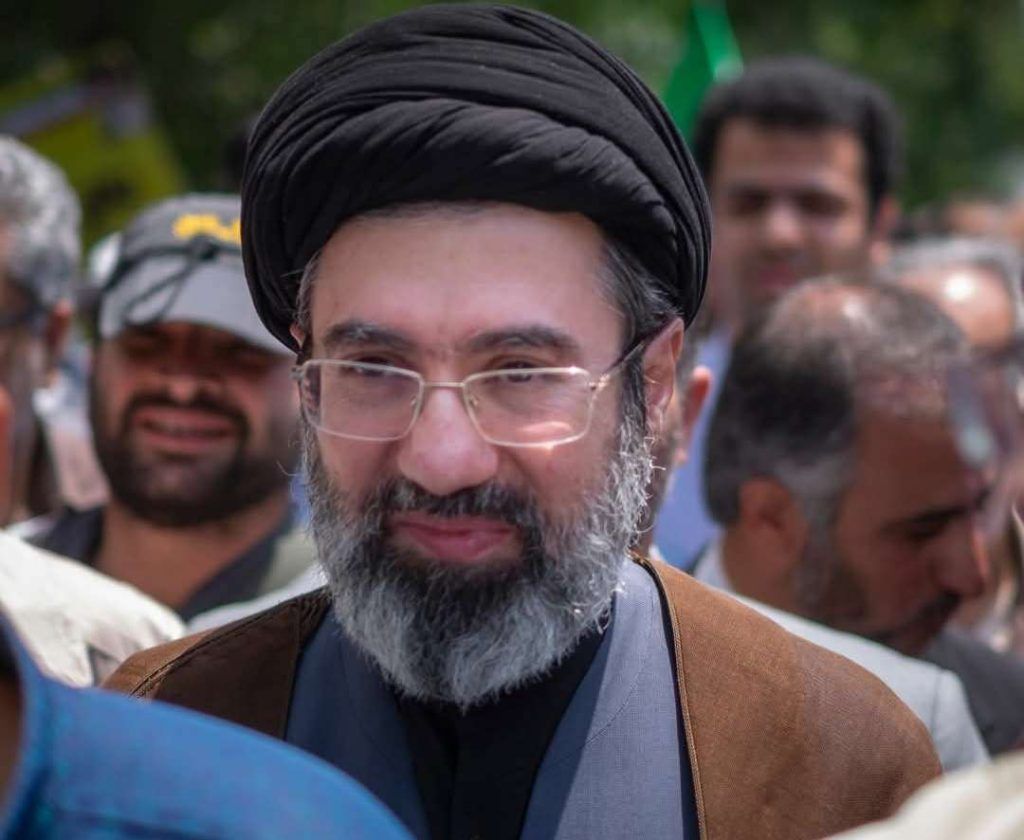
Fresh uncertainty surrounds the health and leadership capacity of Iran’s Supreme Leader, Mojtaba Khamenei, following reports that he is still recovering from serious injuries sustained in a deadly airstrike that killed his father.
A Reuters report on Saturday said the 56-year-old leader suffered significant wounds to his face and legs when United States-Israeli forces struck the Supreme Leader’s compound in Tehran at the outbreak of hostilities in February. The strike also killed his father and predecessor, Ali Khamenei.
Sources close to his inner circle disclosed that although Khamenei remains mentally alert, his recovery is ongoing, with some accounts suggesting the injuries may have led to the loss of a leg. Despite this, he is said to be actively involved in critical state matters through audio conferencing, particularly decisions related to the war and diplomatic engagements.
Khamenei’s continued absence from public view has intensified speculation over his true condition and ability to exercise authority. Since the February 28 attack and his emergence as Supreme Leader on March 8, there has been no confirmed visual or audio appearance, with his only communication delivered as a written message read on state television.
Iranian authorities have not publicly detailed the extent of his injuries, leaving both citizens and international observers in the dark and fueling competing narratives about the state of leadership in Tehran.
Meanwhile, diplomatic moves are ongoing, with U.S.-Iran peace talks slated for the weekend in Islamabad. Iran’s delegation, led by Foreign Minister Seyed Abbas Araghchi, includes senior political, security, and economic officials.
Observers note that beyond his physical condition, Khamenei faces the challenge of consolidating power in a system long dominated by his father. Middle East analyst Alex Vatanka said building comparable authority could take years, even under stable conditions.