
Nigeria is among 117 countries currently without Senate-confirmed United States ambassadors, according to newly released records by the United States Department of State.
The document, titled “Ambassadorial Assignments Overseas” and published on April 8, 2026 by the Office of Presidential Appointments, reveals a significant shortfall in Washington’s diplomatic representation across multiple regions.
The report shows that the vacancies cut across Africa, Europe, Asia, the Americas and Oceania, affecting both strategic allies and developing nations.
Global spread of vacancies
In Africa, several countries – including Nigeria, Ghana, Kenya, Egypt and Senegal – are currently without confirmed U.S. envoys. Similar gaps exist across Europe, where countries such as Germany, Norway, Ukraine and Russia are listed.
Across Asia and the Middle East, key nations including Saudi Arabia, Indonesia, Pakistan and the United Arab Emirates are also affected, while in the Americas, countries such as Brazil, Colombia, Jamaica and Haiti remain without appointed ambassadors.
Oceania is not exempt, with Australia, New Zealand, Fiji and other Pacific Island nations also lacking confirmed diplomatic representatives from Washington.
Fallout of diplomatic reshuffle
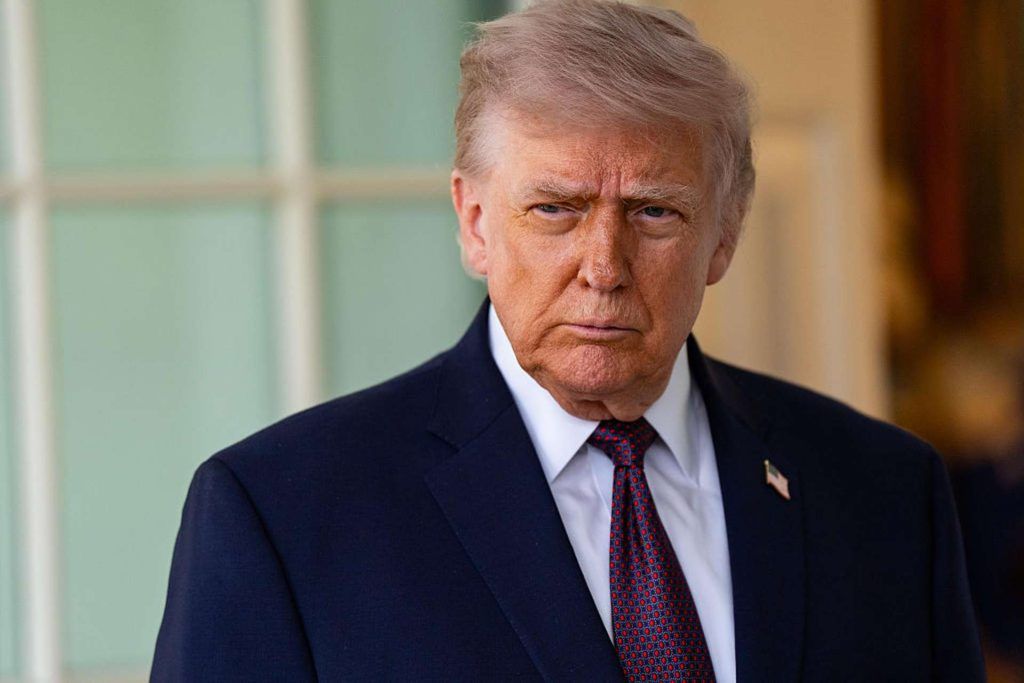
The development follows a wave of diplomatic changes initiated in late 2025 under the administration of Donald Trump, during which nearly 30 ambassadors and senior embassy officials were recalled from postings worldwide.
The move was part of efforts to restructure U.S. foreign policy engagement, but it has since left notable gaps in diplomatic coverage, pending fresh nominations and Senate confirmations.
Although ambassadors serve at the pleasure of the president, the scale of the vacancies has drawn attention to delays in filling critical foreign service positions.
Concerns over impact
Observers warn that the absence of ambassadors in key countries could weaken diplomatic ties, slow decision-making and affect the coordination of U.S. policies abroad.
In many affected countries, including Nigeria, U.S. missions are currently being led by chargés d’affaires – career diplomats who act in a temporary capacity until ambassadors are formally appointed.
The situation has sparked renewed debate over the efficiency of the appointment and confirmation process, as the United States seeks to maintain its influence and engagement in an increasingly complex global environment.