
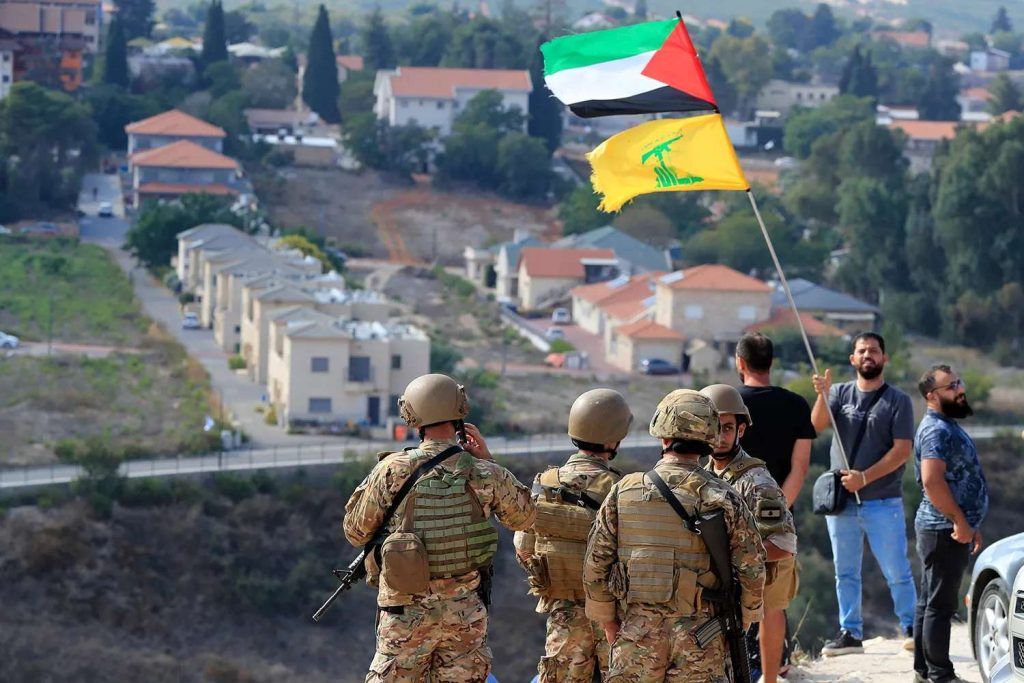
Israel and the Lebanese armed group Hezbollah have agreed to a ceasefire following days of intensified hostilities, raising hopes of a reduction in violence along the Israel-Lebanon border.
Confirmation of the agreement came from a senior United States official, who said the ceasefire was reached amid growing international concern that the conflict in Lebanon could jeopardise broader regional diplomatic efforts, including the recently brokered understanding between the United States and Iran aimed at halting military operations across multiple fronts.
Despite the ceasefire announcement, reports from Lebanon indicated that hostilities continued after the agreement was due to take effect.
Local emergency services said Israeli strikes persisted in several parts of the country, underscoring the fragility of the truce and raising concerns about its implementation.
According to Lebanon’s Ministry of Health, at least 47 people were killed in Israeli attacks carried out since midnight.
On the Israeli side, military authorities reported that four soldiers were killed in clashes with Hezbollah fighters backed by Iran.
The latest escalation in southern Lebanon has added another layer of complexity to efforts to stabilise the region following months of tensions involving Israel, Hezbollah and Iran.
Observers say the continued violence highlights the challenges facing diplomatic initiatives designed to contain the conflict and prevent a wider regional confrontation.
The situation has also drawn attention to relations between Israel and the administration of U.S. President Donald Trump, which have appeared increasingly strained in recent days despite close cooperation on regional security matters.
Analysts believe the renewed fighting raises questions about the ability of international mediators to ensure compliance with ceasefire commitments and sustain momentum for broader peace efforts.
While the ceasefire agreement is being viewed as a significant diplomatic breakthrough, developments on the ground suggest that both sides still face considerable hurdles in translating the deal into a lasting cessation of hostilities.
Regional and international stakeholders are expected to closely monitor the implementation of the truce in the coming days amid fears that any further violations could trigger another round of violence.