
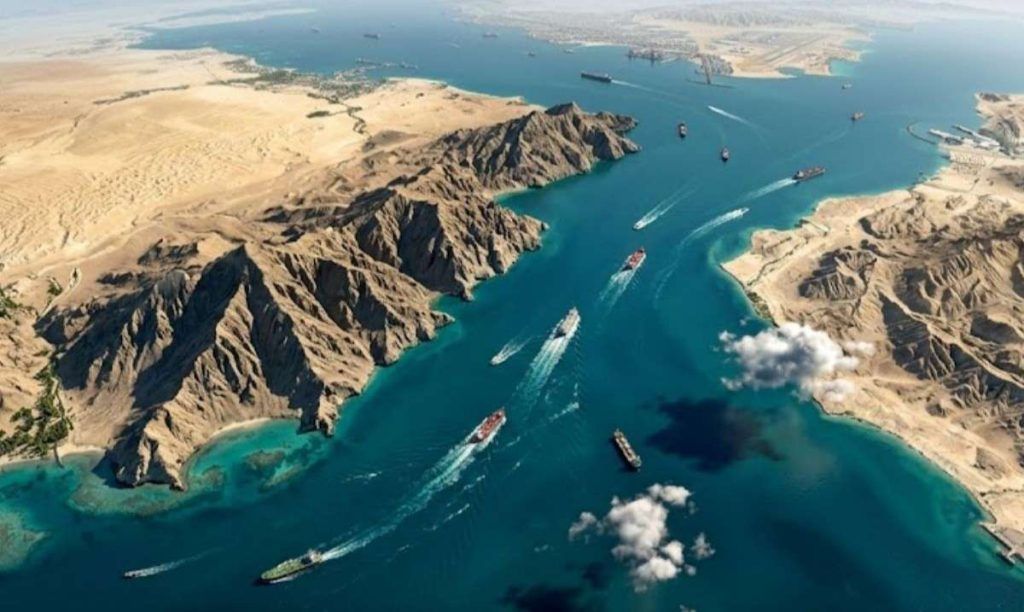
Iran has issued a fresh warning that it may once again close the Strait of Hormuz if the United States sustains its naval blockade of Iranian ports, reigniting fears of disruption to global energy supplies just hours after declaring the vital shipping lane open.
The caution was delivered by senior officials in Tehran, including parliamentary speaker Mohammad Bagher Ghalibaf, who said continued restrictions by Washington could force Iran to reconsider keeping the waterway accessible. He indicated that under such circumstances, vessels transiting the corridor might be subject to Iranian approval.
Backing that position, foreign ministry spokesman Esmaeil Baqaei described the US blockade as inconsistent with the ceasefire arrangement, warning that Tehran would take “appropriate action” if its maritime activities remain constrained.
The renewed standoff comes shortly after Iran reopened the Strait of Hormuz following a ceasefire tied to developments in Lebanon, a move that initially calmed markets and contributed to a drop in oil prices.
That relief now appears short-lived.
According to the US Central Command, American forces have already turned back more than 20 vessels since enforcement of the blockade began earlier in the week, signalling Washington’s resolve to sustain pressure on Iran.
Amid the rising tension, US President Donald Trump expressed optimism that diplomacy could yield results, stating that negotiations with Tehran were close to producing a broader agreement. He suggested that contentious issues, including Iran’s enriched uranium stockpile, were nearing resolution.
Iran, however, swiftly rejected that assertion, maintaining that its nuclear materials are not up for surrender.
Trump later reaffirmed that the naval blockade would remain in place unless a deal is reached, though he hinted that the current ceasefire window could be extended to allow further negotiations.
The Strait of Hormuz is a critical artery for global energy trade, carrying about a fifth of the world’s oil and liquefied natural gas. Any threat to its operations typically reverberates across international markets, affecting prices and supply expectations.
Efforts to broker a wider settlement have involved regional intermediaries, including Pakistan, which recently hosted direct talks between US and Iranian representatives in Islamabad. While both sides have signalled progress, key differences remain unresolved.
On the broader regional front, the ceasefire in Lebanon has offered a temporary pause in hostilities between Israeli forces and Hezbollah. Although some displaced residents have begun returning home, uncertainty persists as both sides maintain a cautious posture.
Israeli Prime Minister Benjamin Netanyahu has said military operations are not yet concluded, while Hezbollah has warned it remains prepared to respond to any breaches of the truce.
With tensions simmering and negotiations ongoing, analysts say the situation around the Strait of Hormuz remains highly volatile, with significant implications for global energy stability.