
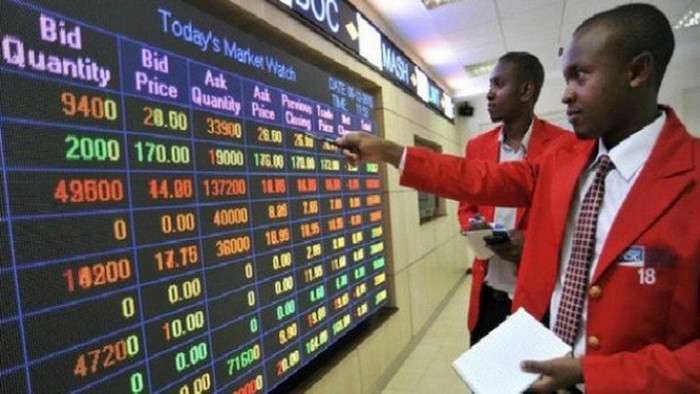
Nigeria has been reinstated to Frontier Market status by global index provider FTSE Russell, marking a significant step in the country’s return to major global investment benchmarks and potentially opening new opportunities for international investors.
The reclassification moves Nigeria from its previous “Unclassified” status back to Frontier Market, following approval by the FTSE Russell Index Governance Board. The decision was based on recommendations from the organisation’s Equity Country Classification Advisory Committee and Policy Advisory Board.
According to FTSE Russell, the change will take effect in September 2026 and was announced as part of the March 2026 interim country classification review, which was communicated to investors across global financial markets.
The development reflects improvements in Nigeria’s capital market infrastructure, accessibility, and overall investment environment, particularly within the Nigerian Exchange (NGX). Market stakeholders say these reforms have strengthened trading systems, enhanced settlement processes, and improved transparency, making the market more efficient for both domestic and international investors.
In its Quality of Markets assessment, FTSE Russell awarded Nigeria “Pass” ratings across several core indicators, including regulatory oversight, capital repatriation processes, brokerage competitiveness, tax structures, and settlement efficiency. Nigeria currently operates a T+2 settlement cycle, aligning with practices in many international markets.
Despite the progress, the review also identified areas where further improvements are needed. These include greater depth in the foreign exchange market, improved transaction cost efficiency, broader availability of derivatives products, and enhancements in custody and clearing frameworks.
FTSE Russell noted that its country classification process combines technical evaluation of market structure with feedback from global institutional investors to ensure that both regulatory frameworks and practical investment experiences are taken into account.
The organisation also acknowledged the engagement of Nigerian market authorities and stakeholders throughout the assessment process.
Reacting to the announcement, Group Managing Director and Chief Executive Officer of Nigerian Exchange Group Plc, Temi Popoola, described the reclassification as a reflection of ongoing reforms within the country’s capital market ecosystem.
“This milestone reflects the strength of collaboration across Nigeria’s capital market ecosystem and the deliberate efforts to strengthen the underlying market infrastructure that supports efficient trading, transparency, and investor access,” Popoola said.
He added that the Nigerian Exchange has focused on building a resilient, accessible, and globally competitive platform, noting that the latest classification affirms the progress achieved in recent years.
Popoola said the exchange would continue working with regulators, market operators, and other stakeholders to deepen ongoing reforms, address outstanding gaps, and sustain momentum toward higher global market classifications.
Analysts say the Frontier Market designation could improve Nigeria’s visibility among global asset managers and index-tracking funds, potentially attracting fresh capital inflows into the country’s equities market.
With global investors increasingly focusing on markets that demonstrate strong infrastructure, transparency, and ease of access, Nigeria’s return to the FTSE Frontier Market index is seen as an important step toward reconnecting the country’s capital market with international investment flows.