
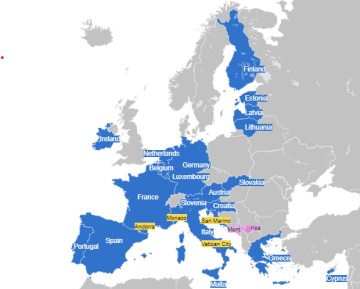
Inflation across the euro area rose slightly to 1.9 per cent in February, fresh data released on Tuesday showed, keeping price growth just below the two per cent target set by the European Central Bank.
According to figures published by Eurostat, the rate increased from 1.7 per cent recorded in January, coming in above analysts’ forecasts compiled by financial data firm FactSet.
The modest acceleration in inflation across the 21 countries that use the euro was largely driven by the services sector, where price growth climbed to 3.4 per cent from 3.2 per cent a month earlier.
Energy costs continued to ease, but the pace of decline slowed. Prices fell by 3.2 per cent in February compared with a sharper four per cent drop in January.
Meanwhile, core inflation — which strips out volatile items such as food and energy — rose to 2.4 per cent, underscoring persistent underlying price pressures within the bloc.
Although headline inflation remains marginally below the ECB’s target, the latest data may influence deliberations ahead of the central bank’s next policy meeting, where interest rates are widely expected to remain unchanged.
However, renewed conflict in the Middle East has cast uncertainty over the outlook. The escalation has pushed up oil prices and raised concerns about possible supply disruptions that could filter through to European energy markets.
Riccardo Marcelli Fabiani, senior economist at Oxford Economics, said the regional turmoil is likely to sustain upward pressure on oil and gas prices into the coming quarter as Europe replenishes storage, according to AFP.
Still, he cautioned against alarmist projections, noting that the prospect of “runaway inflation” remains unlikely and that the ECB is not expected to alter its policy stance in the near term.