
Nigeria’s real Gross Domestic Product (GDP) grew by 4.07 per cent in the fourth quarter of 2025, according to the latest figures released by the National Bureau of Statistics (NBS).
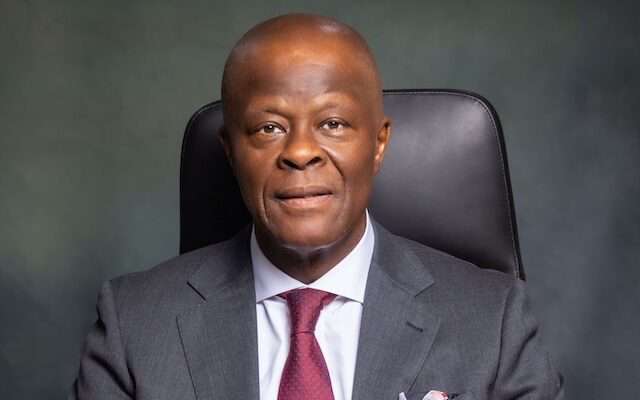
Reacting to the development, the Minister of Finance and Coordinating Minister of the Economy, Wale Edun, described the performance as further evidence that ongoing economic reforms are beginning to yield measurable results.
In a statement issued on Saturday and signed by the Assistant Director, Information and Public Relations, Mrs Uloma Amadi, Edun said the growth reflects strengthening macroeconomic stability and broad-based expansion under the leadership of President Bola Ahmed Tinubu.
He noted that the fourth-quarter growth represents one of the strongest quarterly performances in a decade, excluding the immediate post-pandemic rebound. The 4.07 per cent expansion follows a 4.23 per cent growth rate recorded in the second quarter of 2025 and marks a clear improvement over the 3.76 per cent posted in the third quarter of 2024.
Key Drivers of Growth
According to Edun, all three major sectors of the economy—agriculture, industry and services—contributed meaningfully to the fourth-quarter performance.
Agriculture recorded a 4.0 per cent growth rate, up from 2.54 per cent in Q4 2024, supported by improved security in farming communities and enhanced access to critical inputs.
The industrial sector grew by 3.88 per cent, compared to 2.49 per cent in the corresponding period of 2024. The minister attributed this to improved foreign exchange availability, reforms in the energy sector and renewed investor confidence.
The services sector remained the largest contributor to GDP, expanding by 4.15 per cent. Growth in this segment was driven by continued expansion in finance, telecommunications, trade and technology-enabled activities.
Edun added that nearly 30 subsectors recorded growth above three per cent, underscoring the increasing diversification and resilience of the economy.
Full-Year Performance
On an annual basis, Nigeria’s real GDP grew by 3.87 per cent in 2025, an improvement over the 3.38 per cent recorded in 2024. The nominal size of the economy also rose significantly, reaching ₦441.5 trillion compared to ₦372.8 trillion the previous year.
The minister credited the outcome to improved fiscal coordination, prudent expenditure management, stronger revenue mobilisation and sustained structural reforms aimed at restoring macroeconomic credibility.
He said the data sends a positive signal to both domestic and international investors, reinforcing confidence that Nigeria’s reform programme is gaining momentum.
“The Ministry of Finance remains focused on deepening reforms, strengthening institutional coordination and maintaining transparent engagement with stakeholders to ensure sustained growth,” Edun stated.
The NBS report released on Friday confirmed that the expansion was broadly driven, with agriculture, industry and services all posting stronger performances, while services retained its position as the largest contributor to overall output.