
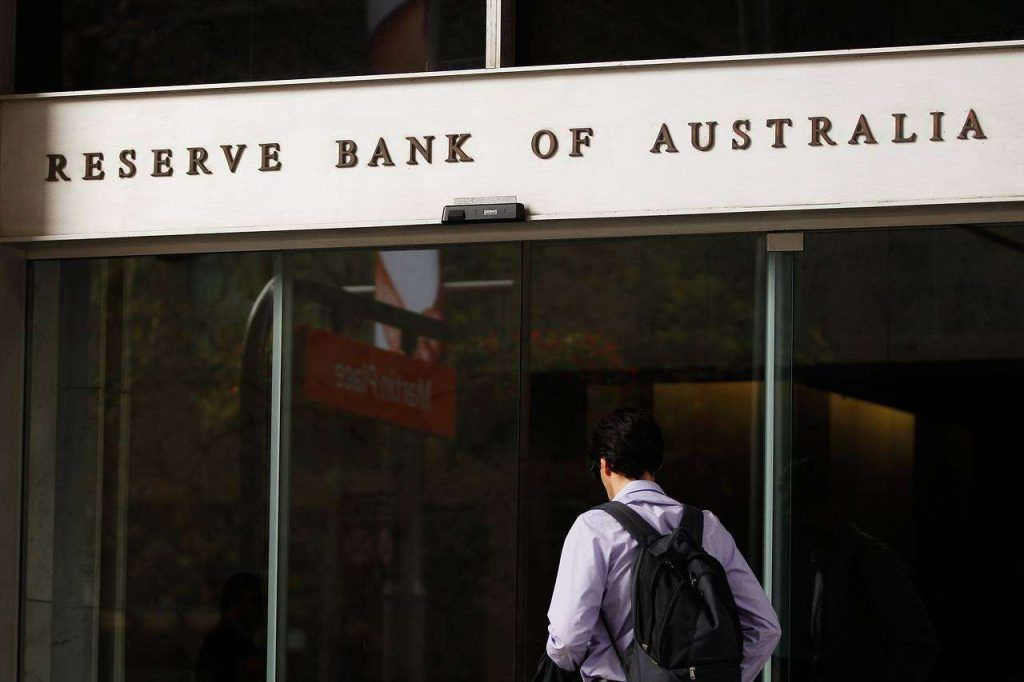
Australia’s central bank has raised its benchmark interest rate to 4.35%, returning it to its highest level since late 2024, as authorities step up efforts to contain persistent inflationary pressures.
The move by the Reserve Bank of Australia (RBA) was widely anticipated by market analysts and represents the third consecutive tightening of monetary policy.
Voting details released by the bank showed that eight board members backed the rate increase, while one preferred to hold rates at 4.1%.
In its accompanying statement, the RBA said inflation accelerated in the latter part of 2025, driven in part by rising global energy and commodity prices linked to tensions in the Middle East.
“Developments in the Middle East are having an impact on inflation,” the bank said, warning that higher fuel prices are beginning to spill over into broader categories of goods and services.
The central bank reiterated that inflation is likely to stay above its 2%–3% target band for some time, stressing that upside risks remain significant.
It also left the door open for additional tightening, indicating that the policy rate could climb to 4.7% by December 2026—above earlier projections. Such an outcome would push borrowing costs to their highest levels in more than a decade.
Revised forecasts show consumer prices rising to 4.8% in the June quarter and averaging 4% through 2026, both higher than previous estimates. Meanwhile, the growth outlook has softened, with the economy now expected to expand by 1.3% in 2026, down from an earlier projection of 1.8%.
Economists at ANZ Bank said the RBA’s tone was more aggressive than expected, suggesting policymakers are not yet ready to pause the tightening cycle.
While the bank stopped short of signalling an imminent rate hike at its next meeting, it emphasised that the RBA is maintaining flexibility in response to evolving economic conditions.
Despite the tighter policy stance, Australia’s economy has shown resilience. Data indicates that gross domestic product grew by 2.6% year-on-year in the fourth quarter, the fastest pace recorded in two years and above expectations.
Still, inflation remains a key concern. Consumer prices increased by 4.09% in the first quarter compared with a year earlier – the strongest rise in more than two years – while March inflation climbed to 4.6%, the highest since monthly CPI reporting began in 2025.
The latest decision follows signals from the RBA’s March meeting that further policy tightening may be required, even as board members differed on the timing of future moves.
“Developments in the Middle East remain highly uncertain,” the bank noted, cautioning that a wide range of outcomes could add further pressure to both global and domestic prices.